Parker Becker · 2 September 2026
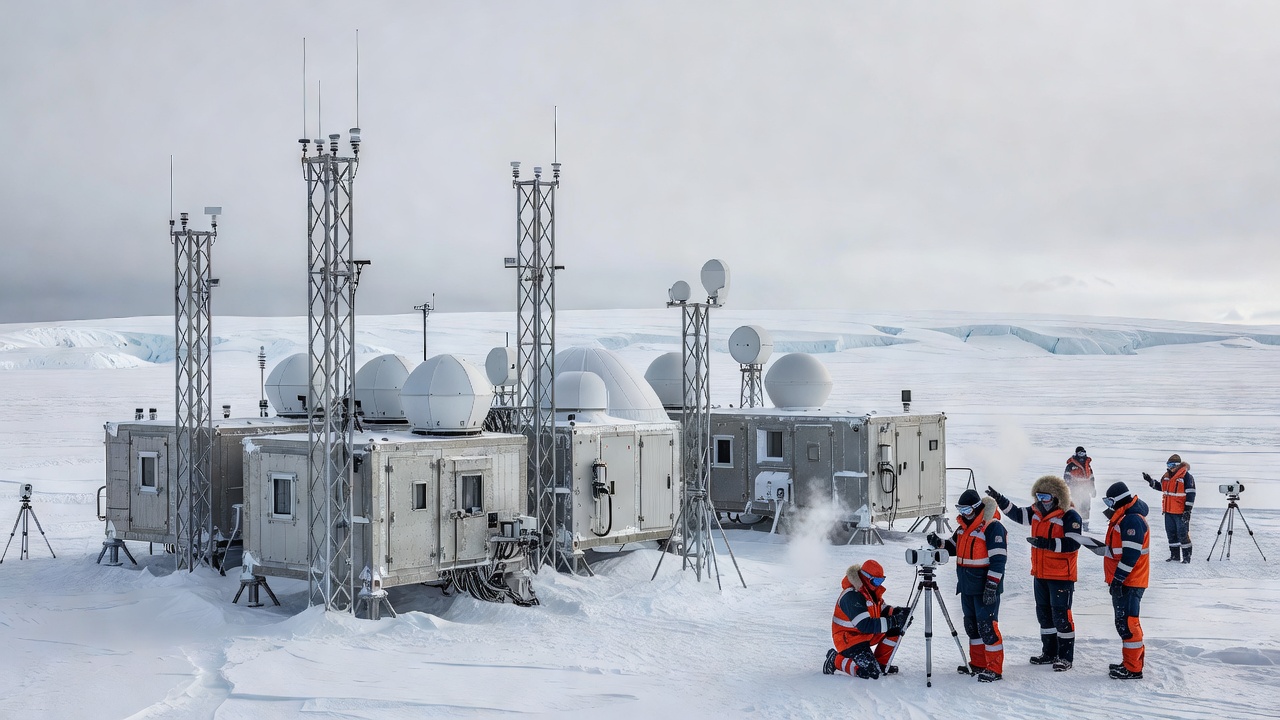
The Antarctic research base has undergone a significant expansion aimed at bolstering climate monitoring activities in the region. This development is crucial for scientists tracking environmental changes in one of the planet's most sensitive areas. The upgrades include new facilities that will support year-round operations and advanced instrumentation for precise measurements of ice dynamics and atmospheric variables.
Details of the Base Expansion
The expansion project involved the addition of several new modules to the existing structure, increasing the available space for laboratories and storage of scientific equipment. Key additions feature high-resolution cameras for ice flow observation, spectrometers for atmospheric analysis, and autonomous underwater vehicles for studying subglacial lakes. These tools will enable researchers to gather data on melting rates, carbon cycles, and biodiversity shifts with greater accuracy. International teams from various countries are participating in the initiative, sharing resources and expertise to maximize the scientific output from the remote location. Additional sensors will monitor seismic activity and ocean salinity levels continuously while supporting extended field campaigns during extreme weather conditions.
Broader Impacts on Climate Studies
The enhanced capabilities at the base are expected to contribute substantially to global climate research efforts. Data collected will feed into models predicting future climate scenarios, helping policymakers develop informed responses to environmental challenges. Moreover, the expansion promotes educational opportunities through partnerships with academic institutions, training the next generation of polar scientists. The project also emphasizes sustainable practices in construction to minimize environmental impact. Overall, this project represents a vital investment in understanding and addressing climate change through dedicated polar research pathways. Long-term monitoring will provide insights into historical climate data preserved in ice cores for comprehensive analysis.