Nils Schwarz · 2 September 2026
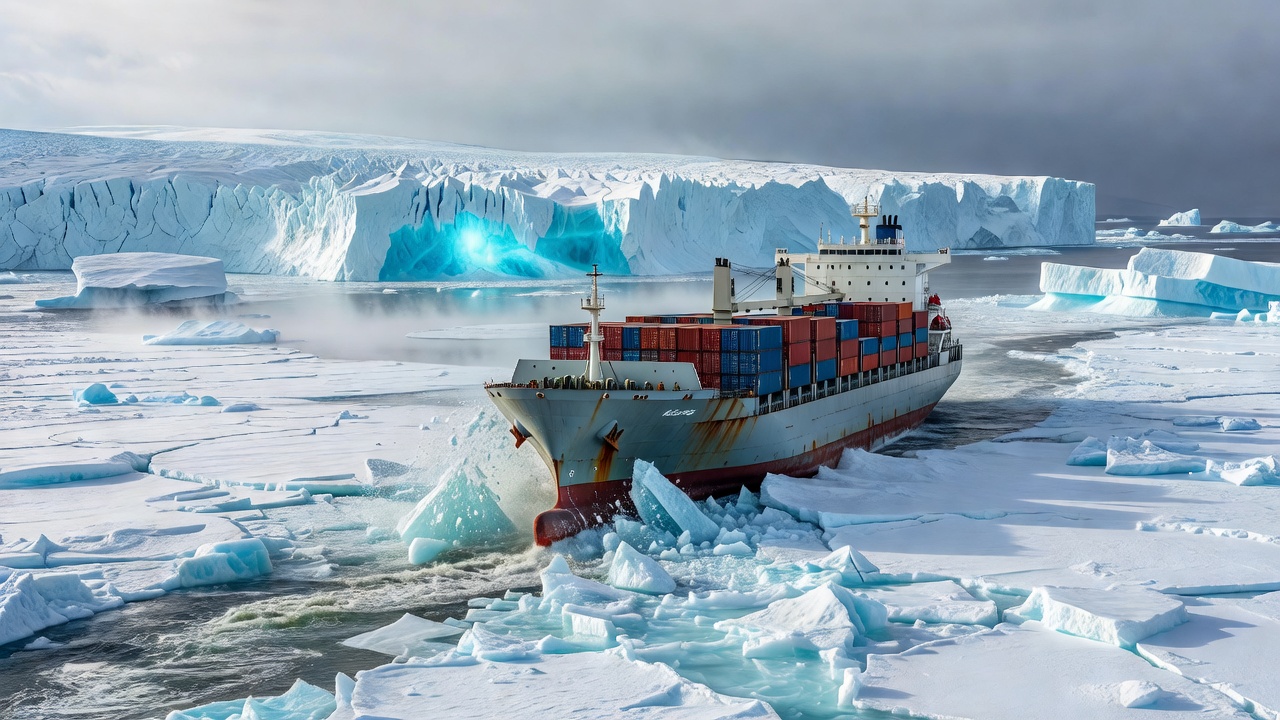
Arctic shipping lanes are opening earlier than ever before as record levels of ice loss reshape the polar landscape. Data from monitoring stations show that key passages are now accessible up to a month ahead of historical averages. This development has caught the attention of maritime industries and climate scientists alike.
Analysis of Ice Decline
Over the past four decades, the extent of Arctic sea ice has decreased dramatically. Measurements indicate an average loss of 82,000 square kilometers per year. The summer minimum in recent years has fallen below previous records, with 2023 marking one of the lowest extents on record. Experts attribute this to rising global temperatures influenced by greenhouse gas emissions. The melting process starts earlier in spring and extends later into autumn, extending the navigation window significantly. Studies published in peer-reviewed journals highlight the role of atmospheric circulation changes in accelerating ice melt. Warm air intrusions from lower latitudes contribute to rapid thawing. Additionally, the influx of warmer Atlantic waters into the Arctic Ocean plays a crucial role in basal melting of ice shelves. Satellite observations combined with buoy data provide consistent evidence of thinning ice and reduced multiyear ice coverage.
Consequences for Navigation and Science
The earlier opening of shipping lanes presents both opportunities and risks. Shorter routes can reduce fuel consumption and emissions for cargo ships traveling from Asia to Europe. Yet, the presence of more vessels increases the potential for oil spills and noise pollution affecting marine mammals. For polar research pathways, this means extended field seasons for scientists studying oceanography and ecology. However, unpredictable ice floes pose safety hazards for research vessels. Institutions are adapting by deploying more autonomous drones and satellite-based monitoring systems to gather data safely. Long-term projections suggest that by mid-century, the Arctic could be ice-free in summer, fundamentally altering international trade routes and environmental dynamics in the region. Continued research is essential to understand feedback mechanisms and inform policy decisions on sustainable Arctic use.